Flu Season Hit Japan Early and Hard — Local Lessons and Tips for Us

Flu season across the Northern Hemisphere appears to be matching the early warning signal we get each year from Japan. It arrived sooner, spread faster, and, as in Japan, strained schools and clinics. Read on for team Moondust Cosmetics® insights and tips on ‘all about flu’, to care for yourself, family and community as we ride out this year’s winter experience.
What Happened In Japan?
Japan’s health agencies reported that flu cases had not only surged — they had surged a full month earlier than last year, at the fastest pace in a decade (See one news story and other links to it here)
A few standout details:
- 197,000 flu cases were recorded in a single recent week, across 3,000 institutions.
- Over 5,700 schools partially or fully closed due to the early outbreaks among children.
- The dominant strain was identified as Type-A Hong Kong, the same one that circulated widely in 2023.
Several causes stand as the usual suspects: a spike in inbound tourism, rapid temperature drops, poor ventilation, and dramatic temperature swings. The virus was already circulating in nearby regions like Hong Kong and Taiwan in late summer — and travel appears to have helped carry it across borders.
Children and students accounted for most cases, but researchers expected adult infections to rise during the holiday travel season.
Why This Matters Beyond Japan?
As has been made very clear globally in the past several years, viruses and especially flu dynamics don’t stay local for long. This is due to highly mobile populations, shared strains, and similar climate patterns. So, this means an earlier peak in one major industrialized country is often a sign of what’s coming elsewhere.
In Canada, laboratory-confirmed cases of influenza have jumped by almost 61 per cent, according to data released in December 2025: Read in CTV News
UPDATE: “Following the holiday season, new data shows the effects of what the Japanese experience we wrote about foreshadowed,” says Dr. Moondust. “H3N2 is a versatile variant of a swine flu that contains bits of genetic material from avian flu viruses.”
The severe H3N2 influenza strain is driving a surge in hospitalizations in the United States, and Canadian experts are warning similar impacts are likely here. Test positivity has jumped sharply since mid-December with high hospital admissions following. The CDC estimates 7.5 million U.S. infections and more than 81,000 hospitalizations so far into the season. The dominant strain circulating in both countries is H3N2, which has been linked to more severe illness.
Canadian health officials say conditions are “ideal” for spread following the holidays. Heavy cross-border travel for leisure and family visits saw a rise in domestic case numbers. In Canada, flu hospitalizations have nearly doubled week over week, infections are up almost 30 per cent, and more than one in four tests are now positive. Health Canada continues to release updated figures. (Read and view the story to date here)
It also reminds us of something we tend to gloss over or simply forget about: respiratory viruses take advantage of our habits. As temperatures drop, we close windows, crowd indoors, skip sleep, stress more, and eat less intentionally. Schools and holiday gatherings amplify that risk. Perhaps you experienced this stress and crowding at last month’s intense holiday season?
So, what can we take from Japan’s experience — and what can we do now to steady ourselves in our winter weeks ahead?
1. Strengthen Your Immune Routine: Food That Helps You Fight Back
No one food “cures” the flu, but your daily habits set the tone for your immune system long before symptoms appear.
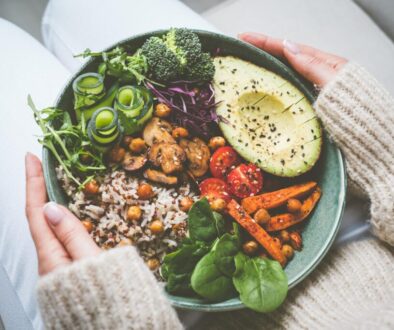
Eat to support immunity
- Protein at every meal helps repair tissues and maintain immune cells.
- Leafy greens and colourful vegetables are a natural multivitamin for your immune system.
- Omega-3 fats from salmon, sardines, walnuts, or flaxseed help in lowering inflammation.
- Garlic, ginger, turmeric: modest but real anti-inflammatory effects — and comforting in soups.
- Fermented foods like yogurt, miso, kimchi, and kefir: support gut microbiome balance, which plays a role in immunity.
Hydrate more than you think you need
Infections dry us out — and indoor heating doesn’t help. Warm broths, herbal teas, and water-rich soups (yes, including that legendary chicken soup) are gentle ways to stay ahead of dehydration.
Key supplements, used wisely
- Vitamin D is widely recommended in winter months when sunlight is scarce.
- Vitamin C rarely prevents a cold on its own, but it supports overall nutrition.
- Zinc is included as it is Moondust’s star mineral. It helps combat colds, nasty flus & viruses like COVID.

CAUTION: If you take multi-ingredient cold or flu formulas, check for duplicate acetaminophen, as accidental overdoses happen easily.
Prioritize sleep like it’s medicine
Seven to nine hours is ideal — and even one night of “short sleep” can dampen immune function.
Gentle, consistent movement
Walking, stretching, short workouts, or a few sessions on the rowing machine (as many women do between work and caregiving) keep circulation steady and support stress balance.
Mind the stress load
High cortisol lowers immune resistance. Even five-minute pauses — breathwork, a cup of tea without multitasking, a quick outdoor break — help.
Ventilation matters more than we realized
Japan’s experts specifically linked rapid viral spread to poorly ventilated spaces.
Crack a window for 5 minutes, run air purifiers, or step outside for a breath during gatherings.
2. Hygiene Habits That Are Simple, Powerful and STANDARD
This public health guidance remains steady and familiar the world over:
- Wash your hands thoroughly, especially after public transport, schools, and supermarkets.
- Wear a mask in crowded indoor settings, particularly if you’re caring for vulnerable people.
- Avoid touching your face — viruses often enter through the eyes, nose, and mouth.
- Stay home when unwell, both for your own recovery and to protect others.
These basics make a measurable difference.
3. Vaccines: What’s Useful, What’s True, and What Still Confuses People

Who benefits most?
Annual flu vaccination is most important for:
- Adults over 65
- Pregnant women
- People with chronic health conditions
- Young children
- Caregivers and people with high exposure (teachers, healthcare workers, family health leads)
Best practice timing: For many countries, flu shots are ideally given in early fall, but any time before peak season is useful. Immunity builds over roughly two weeks.
What does the vaccine do? Some myths persist —
Myth 1: “The flu shot gives you the flu.”
No. The vaccine uses inactivated virus fragments that can’t cause an infection. Some people do feel achy or fatigued afterward — but that’s your immune system of learning, not getting sick.
Myth 2: “It’s pointless if the strain is different.”
Also, untrue. Even with a partial mismatch, vaccines reduce severity, hospitalization risk, and complication rates.
Myth 3: “Healthy people don’t need it.”
Being healthy today doesn’t guarantee easy recovery tomorrow. And vaccination protects the people you love — older parents, young children, pregnant women, and immunocompromised friends.
As always, Dr. Moondust suggests reasonable cautions
- Anyone with a history of severe allergic reactions to vaccine ingredients should consult their doctor.
- If you currently have a high fever, wait until you recover before getting vaccinated.
- Soreness, mild fever, or fatigue after the shot are normal and self-limited.
And now for the classic and annual question!
Is it a cold, the flu or COVID?
Cold features:
- Gradual onset
- Nose, throat congestion
- Mucus cough
- Ear pressure
Flu symptoms:
- Sudden onset
- Fever and chills
- Full-body aches
- Exhaustion and bed-to-couch living
- Dry cough
COVID typically shows up with:
- Flu-like symptoms
- Loss of taste/smell
- Razor-sharp sore throat
- Gastrointestinal distress (diarrhoea)
Medical consensus states that if symptoms last more than three weeks, you struggle to breathe, or you have underlying health conditions, seek medical advice promptly. Many people show up at clinics well before the three weeks, while others suffer yet go about their daily life, hopefully not making others sick.
For more tips and healthy habits to get you through any of the seasons, visit our website and in our socials!
Join us on social media
Facebook, Instagram, YouTube.
Drop a line to comment or send in a question (EMAIL) info@moondustcosmetics.com