World Bee Day: Honey, Glyphosate, and Why Bees Matter More Than Ever
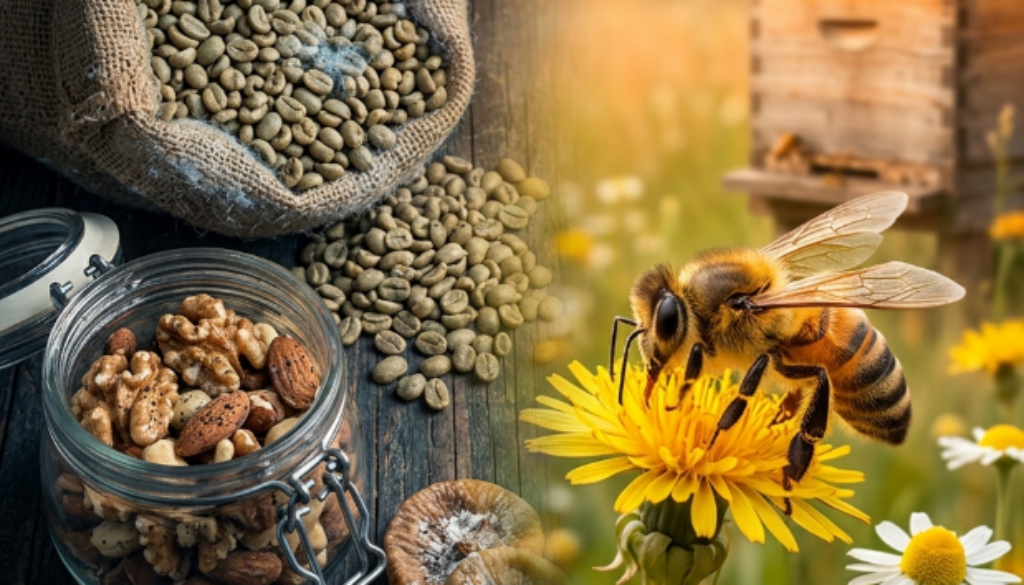
World Bee Day, marked on May 20 this year, is a good time to remember that bees help hold our food system together as well as provide a delicious and sometimes medicinal addition to our plates. Today’s post explores their benefits to our health and that of our environment, what endangers them and how we can help as we celebrate bees and enjoy the fruits of their labour.
These tiny workers pollinate many of the foods we rely on every day—fruits, vegetables, nuts, seeds, herbs, and flowering crops. Without bees, grocery shelves would look very different, food prices would rise, and biodiversity would decline.
So, when we talk about protecting bees, we are really talking about protecting ourselves.
Honey: Nature’s Golden Gift and Protective Power
Honey has been valued for thousands of years as both food and natural medicine. People used honey for wellness, skin care, and wound support.
Beyond its delicious sweetness, quality honey offers:
- Natural sugars for quick energy
- Antioxidant plant compounds
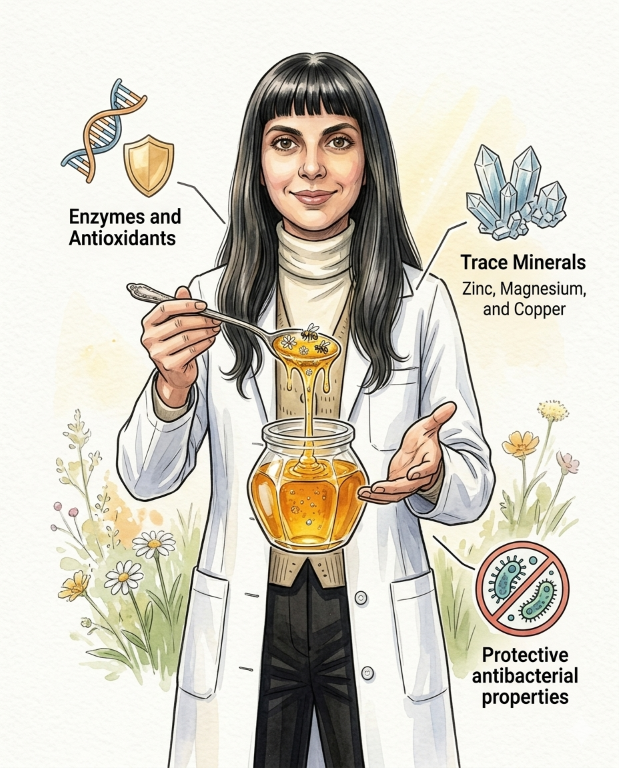
- Trace minerals like zinc, magnesium, and copper
- Natural enzymes created by bees
- Protective antibacterial properties
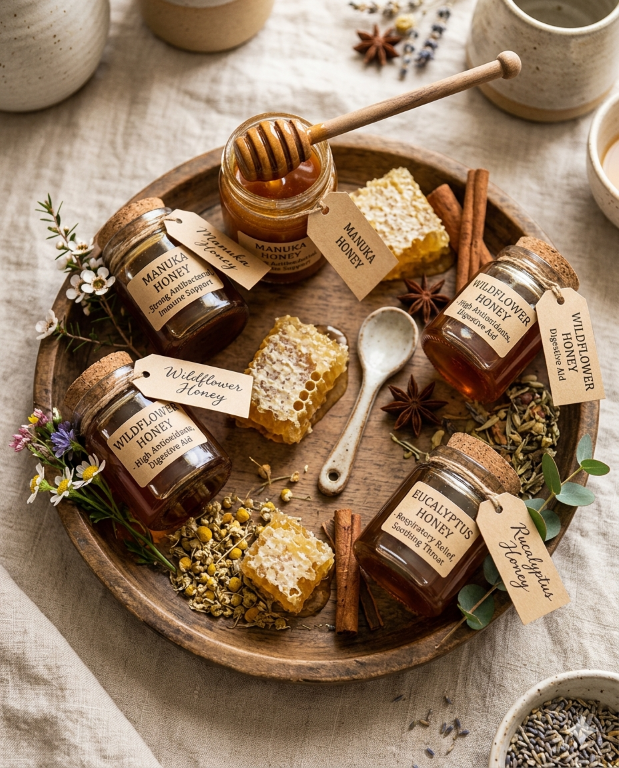
Some varieties such as manuka, wildflower, eucalyptus, and acacia honey are especially prized for their stronger antibacterial and antifungal properties.
Honey is one of the rare foods that connects us directly to the health of the land – and reminds us of that delicate connection by the colour and flavour of every teaspoon.
Honey Reflects the Environment
Bees gather nectar from thousands of flowers across fields, gardens, forests, and farms. That means honey reflects:
- Soil quality
- Water quality
- Plant diversity
- Pollution exposure
- Farming practices
- Seasonal and climate stress
The Concern: Glyphosate and Bee Stress
One growing concern is glyphosate, the most widely used herbicide in the world. It is tied to bee health because it is the active ingredient in many weed killers such as Roundup. While it was designed to kill plants, traces now affect soils, waterways, and wider ecosystems. Consumers are now raising questions about human health risks.
Research has linked it to hormone disruption, reproductive health effects, cell damage, and certain blood cancers in some human population studies.
What does constant chemical exposure do to bees and pollinators?
Honeybee larvae exposed to pesticides, including glyphosate, showed increased cell stress and damage in developing tissues. That matters because larvae become the next generation of worker bees and queens. This section is based on studies in a paper presented by Dr. Moondust entitled: A Possible Role for Honeybee Products in the Detoxification of Mycotoxins. (The paper is available online at this research site)
Even if bees are not killed outright, weakened bees are less able to:
- Reproduce
- Resist disease
- Navigate
- Forage efficiently
- Maintain strong colonies
This is how ecosystems decline quietly—through stress, not always sudden collapse.
If the bee disappeared off the face of the Earth, man would have only four years left to live (Albert Einstein)
What Is at Stake
If bee populations fall, we risk:
- Lower crop yields
- Reduced food variety
- Higher food prices
- Less biodiversity
- Greater pressure on farmers
- Weaker natural ecosystems
What Consumers Can Do
You don’t need a farm to help bees. We can help with our choices at the market by buying local honey from responsible beekeepers and choose organic or regenerative produce when possible. *See tips on shopping for top value in honey below.
We can buy seasonal food from local growers and support farms that reduce pesticide use!
Make Space for Pollinators
We can plant bee-friendly flowers and herbs in pots or in yards if we have them, with a plan to leave some wild corners in gardens. Best to avoid spraying chemicals in yards and in warm weather, provide shallow water sources.
Be a Smarter Shopper
Be curious and read labels to know where food comes from. Value real food as we are told about our diets, but also to consider the health of the soil that food is grown in and if the companies have pollinator-friendly policies.
*For the best value in the honey itself:
- Choose raw or minimally processed honey when possible
- Buy from trusted local beekeepers or reputable brands
- Look for single-flower sources if you want specific properties
- Avoid ultra-cheap blends with vague origins
- Rotate types: wildflower, manuka, eucalyptus, acacia, forest honey
Take time this month to appreciate bees and all the health and pleasure they provide daily on our planet.
Find more tips about the simple ways balanced eating patterns and lifestyle choices support our health on the Moondust Cosmetics® website.
Join us on social media
Facebook, Instagram, YouTube.
Drop a line to comment or send in a question (EMAIL) info@moondustcosmetics.com