New Oxford Research Shows Plant-Powered Protection in Cancer
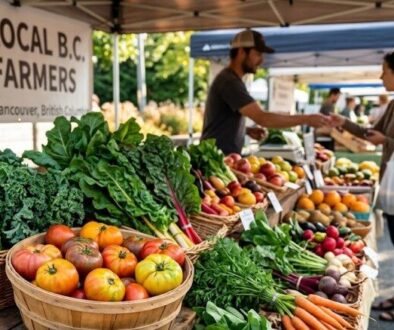
Vegetarians have a substantially lower risk of five types of cancer. This based on research, using data from more than 1.8 million people who were tracked over 16 years in the UK, the US and beyond, comparing vegetarians to meat eaters. Dr Aurora Pérez-Cornago, the principal investigator on the study, which was carried out while she was based at the University of Oxford, said, “This study is really good news for those who follow a vegetarian diet because they have a lower risk of five cancer types, some of which are very prevalent in the population.” Read on to learn about the overall protection vegetarians enjoy plus some of the statistical caveats. More research will come on outstanding questions. Today’s post covers this extraordinarily large study and ways to enjoy healthier choices for life.
What the study covered
This latest study drew on data from various studies on diet and health from across the world to compile data from a huge number of participants, varying body mass and food lifestyle choices as to factors that could influence cancer risk. The study, funded by the World Cancer Research Fund, investigated 17 different cancers, including those of the gastrointestinal tract, lung, reproductive system and urinary tract, and blood cancer. All this makes the findings unusually reliable for diet research, which often struggles with small sample sizes. Published in the British Journal of Cancer in February 2026 the study’s results are significant enough to act on, even if you’re not ready to give up your steaks or holiday roast dinners.
A review of what the numbers actually say
↓31%lower risk of multiple myeloma
↓28%lower risk of kidney cancer
↓21%lower risk of pancreatic cancer
↓12%lower risk of prostate cancer
↓9%lower risk of breast cancer
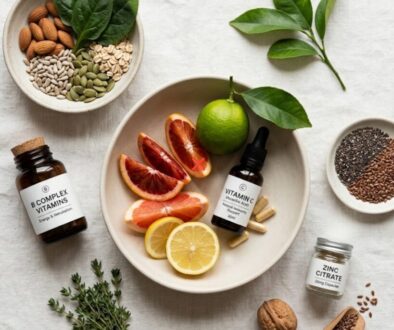
The full picture matters: While vegetarians showed lower risk across five cancers, the same study found they had higher risks of the most common form of throat cancer, bowel cancer. Researchers suggest this may be linked to deficiencies in B vitamins, which are found predominantly in animal products and low average calcium intake respectively. In future cohort studies, a vegetarian diet balanced with nutritional supplements. in addition to plant-based milks and exotic supplements prevalent in today’s consumer choices may register slightly different results.
It may be that for many, the optimum diet for reducing risk may be a diet abundant in plants, with moderate servings of meat and fish alongside vegetarian choices. It can be noted that vegetarians actually need non-exotic supplements or “specific micronutrient supplements” for optimization.
The vegetarian diet and plant strong variations
The term “vegetarian” can feel vague and can conjure perceptions from restricted foods and lifestyles from meat haters to animal lovers. Let’s take a closer look at the plant strong world:
Vegetarian: No meat, poultry, or seafood. Eggs and dairy are usually included. This is the category studied most in the Oxford research.
Pescatarian: No meat or poultry, but fish and seafood are on the menu. Also studied — and also showed cancer risk benefits versus meat eaters.
Vegan: No animal products of any kind. The most restrictive category — and the smallest group in the study, at around 8,800 people.
Flexitarian: Not formally studied, but increasingly recognized: mostly plant-based, with occasional meat. A realistic on-ramp for most households.
Flexitarian or pescatarian diets is a long-standing pattern of the world’s longest-lived populations, which many now refer to as the Blue Zones.
The practical shift: how to move toward plant-forward without overhauling your life
Here’s how to establish a sustainable, affordable and appetizing diet change:
Have you noticed how many vegetarian meals we already eat? Pasta with tomato sauce, lentil soup, egg fried rice, cheese quesadillas. List those, make them part of your menu rotation and soon you will naturally, and easily crowd out meals heavy on meat as the focus.
Moondust meat meal makeover tips
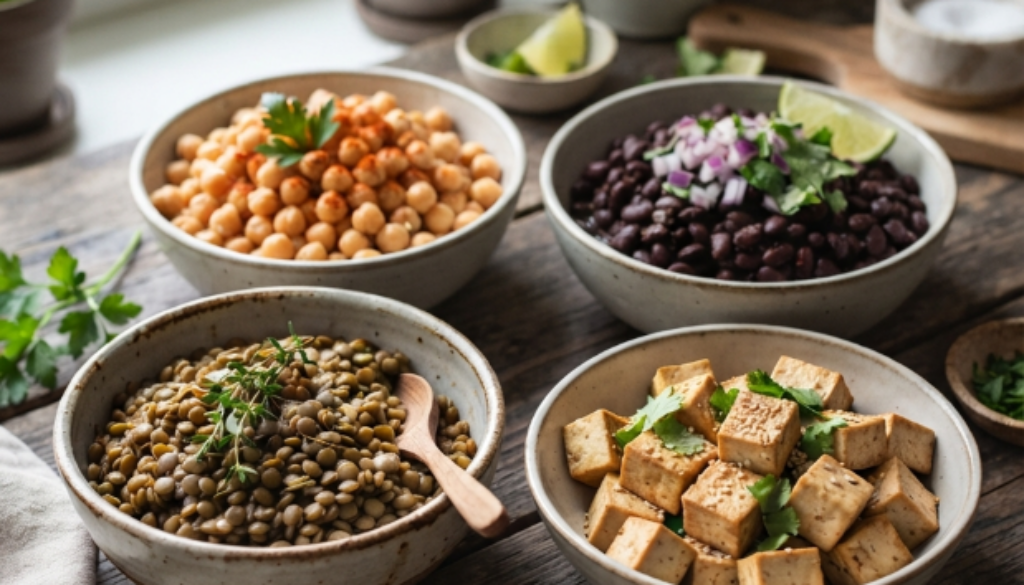
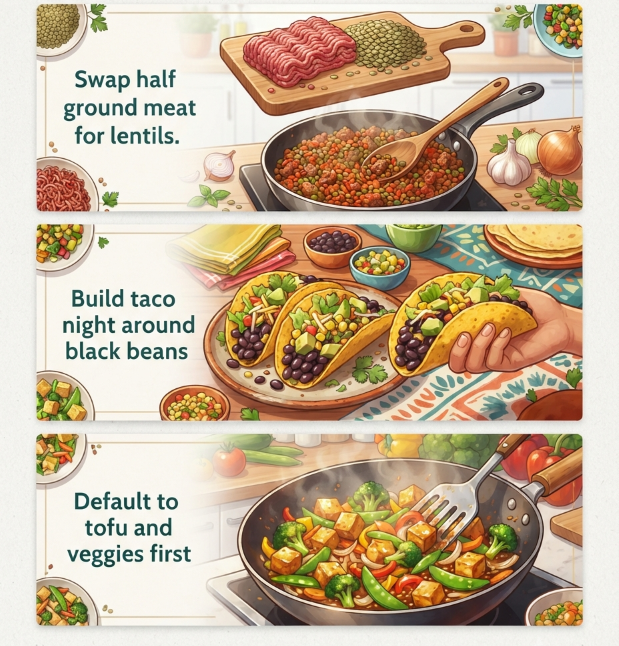
If you’re the household nutritional decision-maker, know that separate meals or family negotiations are not required. The shift toward plant-forward eating is sustainable and can be invisible! Swap half the ground meat in a recipe for lentils, making taco night with black beans instead of ground beef twice a month, build the stir-fry around tofu and mushrooms first with meat on the side, if needed. Children adapt to a varied, colourful plate when it’s the default from the start.
And for the family members for whom the prostate and kidney cancer statistics are directly relevant — the research now gives you something concrete to share, not just an intuition to defend.
To summarize this post’s purpose, confirmed by Cancer Research UK’s health information manager Amy Hirst, we look to her quote:
“When it comes to reducing cancer risk, keeping a healthy, balanced diet overall matters more than individual foods.”
No single change is a magic bullet. But collectively, the direction of the evidence is undeniable.
But how will you get your protein? It’s the most asked question. The truth is protein abounds in legumes (lentils, chickpeas, black beans, baked beans), seeds such as sesame and sunflower, tofu and tempeh, eggs, Greek yogurt, edamame, quinoa, and nuts. With 18 grams in a cup of cooked lentils, 20 in a portion of firm tofu as examples, protein lack is less than the food industry has led us to believe.
Nutrition: what to watch
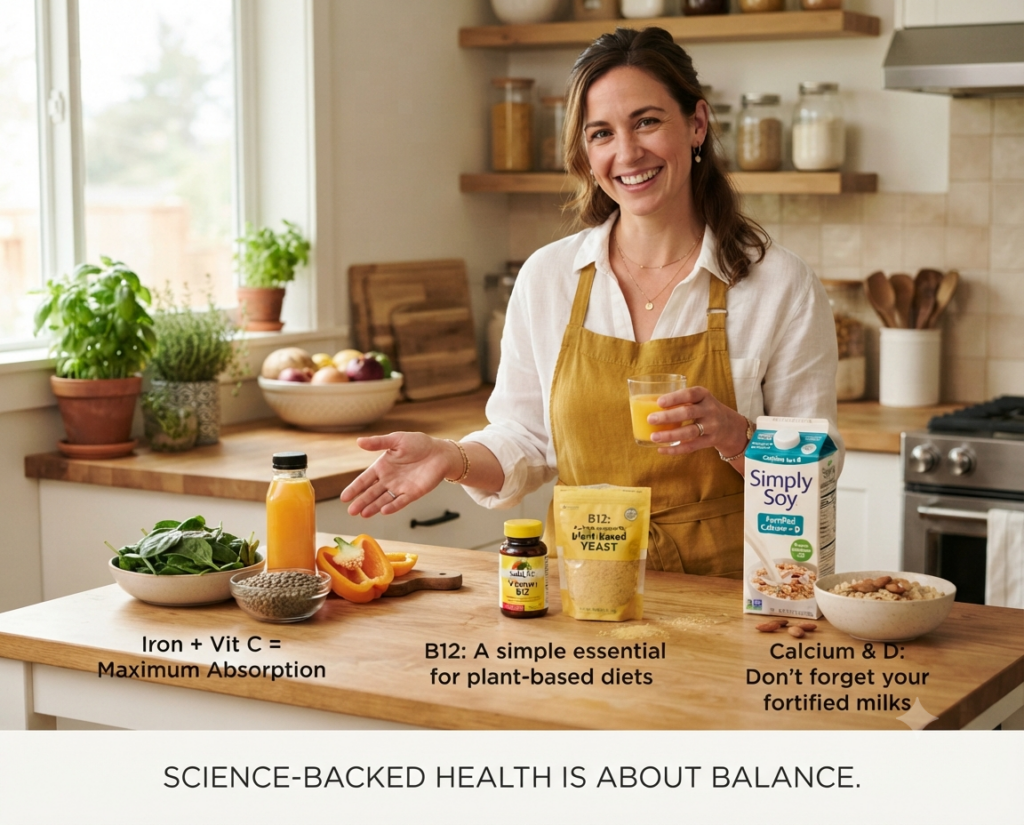
- Iron: Plant iron (non-heme) absorbs less readily. Pair iron-rich foods — lentils, spinach, pumpkin seeds — with vitamin C to boost absorption.
- Vitamin B12: Found almost exclusively in animal products. If you’re going fully vegetarian, a B12 supplement is a smart, inexpensive addition.
- Calcium & D: Dairy eaters are usually fine. If you’re cutting back on dairy too, lean on fortified plant milks, kale, tahini, and sensible sun exposure.
- Omega-3s: Fatty fish is the richest source. Vegetarians can get ALA from seaweed, algae, flax, chia and walnuts.
Food on a budget
A vegetarian diet is almost always cheaper than an equivalent meat-based one. A kilogram of dried lentils costs a fraction of a kilogram of ground beef and yields far more meals. Canned beans, frozen vegetables, eggs, oats, and seasonal produce are among the most affordable foods in any grocery store. The expensive version of plant eating is the one built on specialty products and cold-pressed everything. The practical version is built on whole foods that have been feeding families affordably for centuries.
If budget is critical, the priorities are: dried legumes first, canned second, frozen vegetables over fresh when that makes sense, and eggs as your flexible, nutrient-dense workhorse protein.
Team Moondust believes that what goes into your body is as important as what goes onto it. The Oxford study doesn’t ask you to become a different person or to redesign your life. It simply suggests that eating a little less meat — consistently, over time — may be one of the more meaningful things you can do for your long-term health. Not a protocol. Not a cleanse. Just a quiet, cumulative shift toward more plants on the plate. And some benefit to our planet.
It’s enough to begin with one meatless dinner a week you may be pleasantly surprised to find it’s more easily digestible with less bloating. See how you feel and where it takes you.
See more posts on the foods, habits and lifestyle choices for glowing health Moondust Cosmetics® website.
Join us on social media
Facebook, Instagram, YouTube.
Drop a line to comment or send in a question (EMAIL) info@moondustcosmetics.com