Copper: Why This Essential Mineral Matters at Every Age

Copper, a mineral found in our food is having its moment. It is trending in wellness circles and noted often now across social media. Yet, its importance is not new. In today’s post, Moondust Cosmetics® looks at how copper has been part of human health and daily life for thousands of years and more importantly how we can benefit from all the copper our body needs. Read on to learn how a varied diet, and careful use of supplements, if needed, can shift your health without overthinking it.
What is copper?
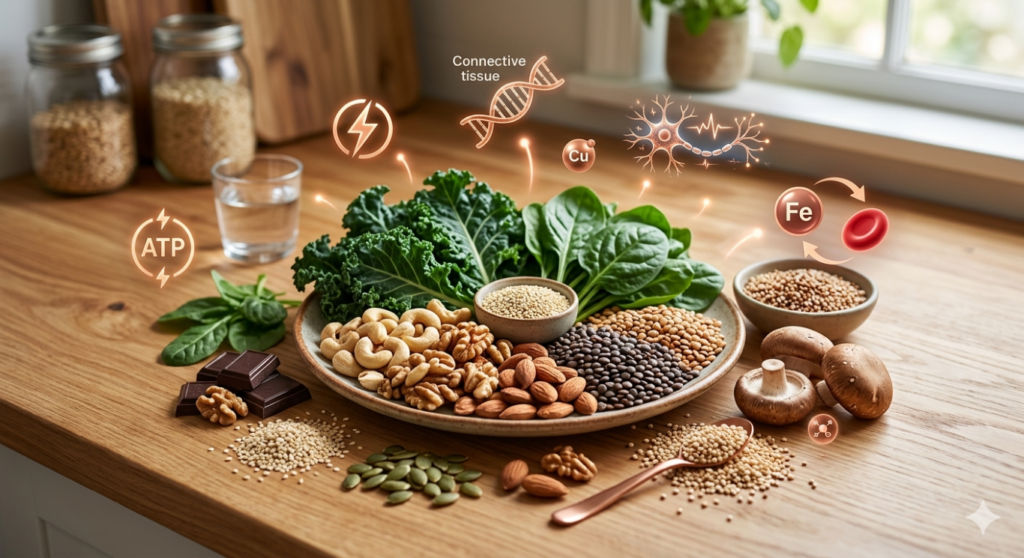
Copper is a trace mineral, meaning your body only needs small amounts. Even so, it plays a big role. It helps produce energy, build connective tissue, form red blood cells, and maintain a healthy nervous system. It also supports the immune system and helps your body absorb and use iron properly.
Daily recommended intake
Copper needs are small but specific. They can be as low as 340–440 mcg for school aged children and double that for the 9–18-year-olds. Adults do well to take in about 900 mcg. Women who are pregnant or breastfeeding benefit from 1,000 mcg to 1,300 mcg, respectively.
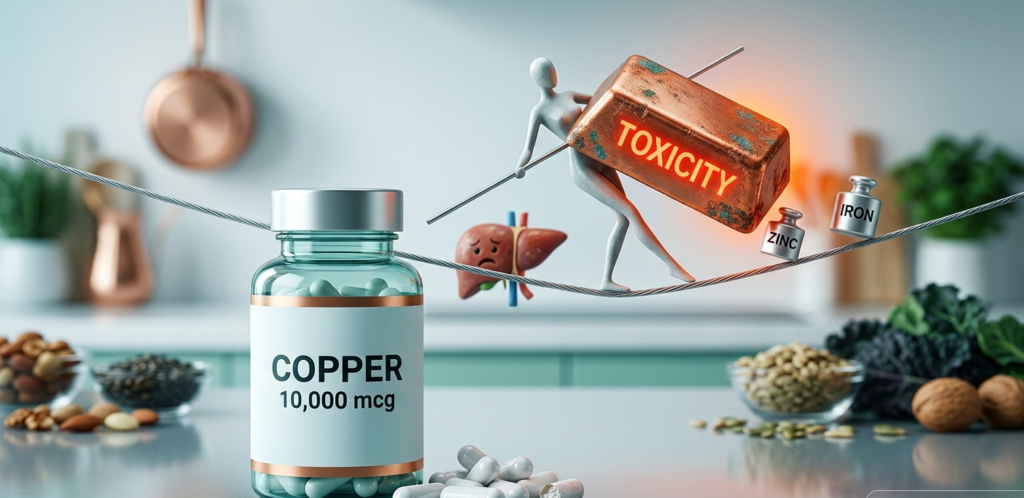
Most people meet these needs through a balanced diet. The upper safe limit for adults is about 10,000 mcg (10 mg) per day. Going beyond that regularly can lead to toxicity.
Why copper matters at different ages
Interestingly, our copper needs stay fairly steady, but how our body uses it changes over time.
In childhood and adolescence: Copper supports growth and development. It helps build strong bones, supports brain development, and keeps the immune system functioning well. During the teen years, when growth is rapid, copper also helps with tissue repair and energy production.
In adulthood: Copper shifts into a maintenance role. It supports heart health by helping regulate cholesterol and blood pressure. It also contributes to collagen production, which keeps skin, joints, and blood vessels strong. If you’re active or under stress, copper helps your body manage inflammation and maintain steady energy.
In older adults: Copper becomes more important for protecting brain function and maintaining bone density. It also plays a role in reducing oxidative stress, which is linked to ageing and chronic disease. Getting enough copper may support memory, mobility, and overall resilience.
Dr. Moondust’s special note: Copper actually plays a powerful role throughout life as it helps your body protect itself every day. The enzyme called superoxide dismutase, catalyses conversion of the toxic superoxide radical. This means it turns harmful “free radicals”—natural by-products of energy production—into safer molecules your body can handle such as molecular oxygen and hydrogen peroxide.
Just remember that since these free radicals are created whenever your body makes energy (ATP—the fuel behind everything from thinking to moving), copper’s role in neutralizing them is essential at every age as it supports your cells, energy, and overall resilience over time!
Natural food sources of copper
Most people can get enough copper through food whether they eat a plant rich diet or opt for omnivore. Good sources include:
- Shellfish like oysters and crab
- Organ meats such as liver
- Nuts and seeds, especially cashews, almonds, and sunflower seeds
- Whole grains like quinoa and whole wheat
- Dark chocolate
- Legumes such as lentils and chickpeas
- Leafy greens like spinach
Eating a variety of these foods regularly usually covers your needs without much effort.
Copper’s long history of use
Social influencers seem to have recently brought copper to our attention but it isn’t just a modern nutrition trend. Archaeological evidence suggests copper was used as far back as 10,000 years ago. That makes it one of the first metals ever worked by humans!
Ancient civilisations like the Egyptians, Greeks, and Romans used copper not only for tools and currency but also for health purposes. It was used to sterilise wounds and even purify drinking water. The Ayurvedic system in India employed a metal oxide formulation derived from copper to fight various infections. Today, research confirms that copper has natural antimicrobial properties, meaning it can kill certain bacteria and viruses on contact.
Modern interest and cultural practices
Copper is trending now with online wellness influencers and health practitioners, who talk about copper bottles, copper bracelets, and trace mineral drops. Some of it is hype, but as we’ve learned, not all of it is new as copper was already part of traditional health practices and daily life in many cultures. What’s changed is that we now understand more clearly how this trace mineral actually works in the body.
In some parts of the world, copper never really went out of use. In India, for example, storing water in copper vessels is still a common traditional practice rooted in Ayurveda. Water is often left in a copper container for several hours or overnight, allowing small amounts of copper to infuse into it.
There is some scientific support for this practice. Copper surfaces can reduce microbial contamination in water. That said, the amount of copper you get this way is small and shouldn’t be relied on as a primary source of nutrition.
In North America, copper has mostly been replaced by stainless steel, glass, and plastic in everyday use. The recent interest online is, in some ways, a rediscovery of older practices, though often without the same context or moderation.
Read the Moondust post on how to reduce the ever-present and potentially harmful plastics in our modern life and how to counteract their effects here.
Who might need copper supplements?
Copper deficiency is uncommon, but it can happen. Supplements may be considered for people who have conditions that affect nutrient absorption. Copper has also been added for a time when someone has had weight-loss surgery or has been taking high doses of zinc over long periods.
Copper can also be considered if a person shows signs of deficiency, such as fatigue, weak immunity, or unexplained anemia. However, even in these cases, supplementation should be guided by a healthcare professional.
Caution with copper supplements
More is not better when it comes to copper. Excess copper can build up in the body and lead to symptoms like nausea, stomach pain, and, in more serious cases, liver damage. It can also interfere with the balance of other minerals like zinc and iron.
If you’re using copper vessels or cookware, moderation still applies. Occasional use is generally safe, but consistently high exposure, especially combined with supplements, can add up.
For most people, food remains the safest and most reliable source.
Moondust posts offer many deep dives into nutrients to support our health in all seasons. Did you know of the protective powers of astaxanthin, especially for summer skin. Get ahead of the season here
Find more tips about the simple ways balanced eating patterns and lifestyle choices boost our antioxidant defenses and support our heart and brain health on the Moondust Cosmetics® website.
Join us on social media
Facebook, Instagram, YouTube.
Drop a line to comment or send in a question (EMAIL) info@moondustcosmetics.com