Ticks Reshaping Outdoor Life — And What You Need to Know
British Columbia is not exempt from the steady expansion of ticks due to North America’s changing ecosystem. They reach your backyard, your trails, and some types will alter what you can put on your dinner plate!
Read on as Moondust Cosmetics® explains the types of ticks, their dangers to our health and what you can do whether you hike, garden or simply enjoy any setting in our great outdoors and care about what’s happening in the natural world around us.
The Big Picture: Climate change and Canada’s forests
In the past 20 years, at least seven new tick-borne pathogens have been discovered in the US, and according to the CDC’s 2024 finding, reported cases have more than doubled. Climate change, particularly warming in the Northern Hemisphere, plays a major role in expanding the areas where ticks can survive, as does reforestation, which brings more deer, birds, and rodents into closer proximity with humans. NPR
The regions most affected with tick populations growing and moving steadily across boarders include the Northeastern USA, parts of the Upper Midwest which also have the highest rates of Lyme disease. States like California, Florida, Texas, and Georgia are also heavily affected due to warm climates, high humidity, and abundant green spaces.
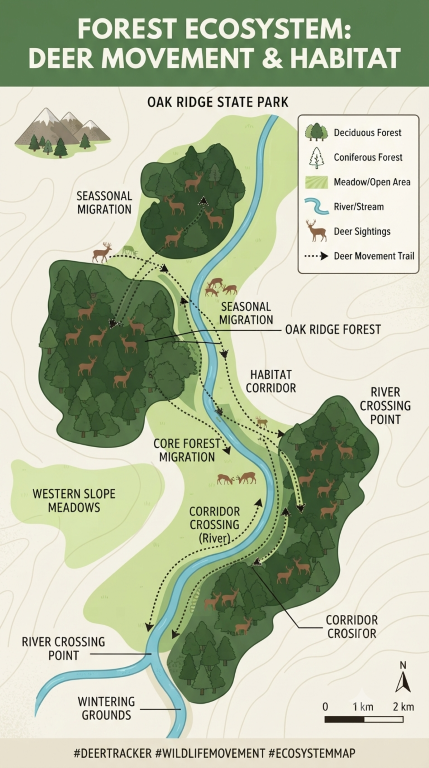
In Canada, BC’s coastal forests and the entire eastern corridor from Ontario through the Maritimes are the main concern. Warmer winters are pushing white-tailed deer — the primary host for blacklegged ticks — northward, and research from Canada’s Wildlife Science Centre confirms this is a major reason ticks are migrating into previously unaffected areas.
Climate change is what is common to all the areas mentioned. Those warmer as well as shorter winters help ticks that once died back seasonally to survive, reproduce and expand northward, aggressively, sometimes hitching a ride on their primary host, those white-tailed deer. Reforestation adds fuel to the tick journey. More woodland brings more deer, more birds, more rodents — and more opportunity for the parasites that depend on them. Yet, ticks tell us something about the state of the land.
Ticks You’re Most Likely to Meet
Different ticks carry different risks, and knowing which ones live where you hike matters.
- American dog tick (wood tick) — Widely distributed east of the Rockies and along parts of the Pacific coast. Transmits Rocky Mountain spotted fever and tularemia.
- Lone Star tick — Widely distributed in the eastern US, most common in the south. Transmits at least five diseases, including alpha-gal syndrome (red meat allergy), which has been increasingly prevalent and can cause life-threatening reactions and increased risk of heart disease. It is the one generating the most scientific alarm right now as it is rewriting what we thought we knew about how allergies work.
- Rocky Mountain wood tick — Found in the Rocky Mountain states and parts of western Canada; transmits Rocky Mountain spotted fever and Colorado tick fever.
- Western blacklegged tick — The Pacific Coast species, the main Lyme vector for BC hikers. It is a cousin the black-legged tick. Both are disturbingly small: a nymph, the most dangerous life stage, is roughly the size of a poppy seed. They also transmit anaplasmosis, babesiosis, and the rare but serious Powassan virus. The Northeast US and eastern Canada carry the heaviest burden, though both species are spreading.
A new allergy concern not from food but a tick bite
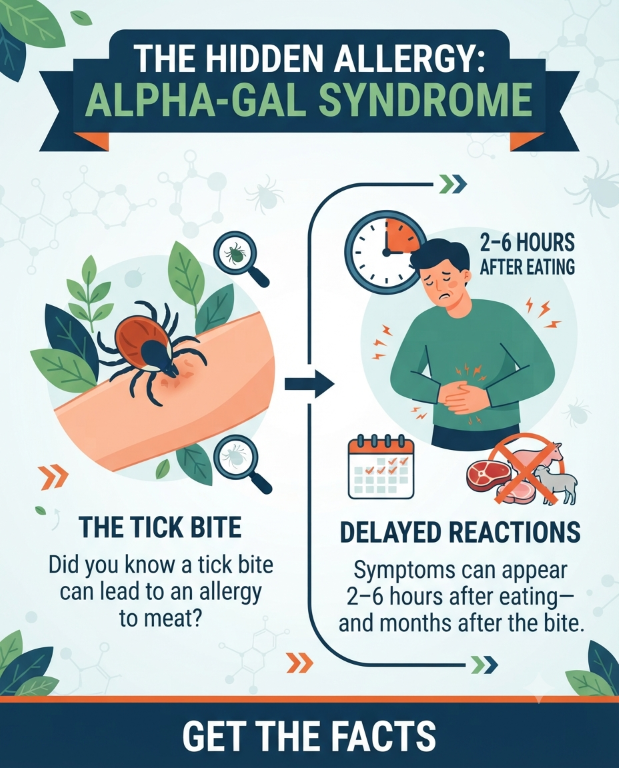
Imagine dying hours after eating a steak. This case on NON food poisoning that killed a young man was first documented in 2024, in suburban New Jersey. It was due to an unknown allergy called alpha-gal syndrome (AGS). The condition was triggered by a tick bite that likely happened months earlier. See detailed coverage of AGS Public Health Ontario
AGS is an allergy to a specific sugar molecule — galactose-alpha-1,3-galactose — that exists in the tissues of most mammals, including beef, pork, lamb, venison, and rabbit, but is absent in humans. When a tick bite introduces a significant dose of this molecule into the bloodstream, the immune system can begin producing antibodies against it. The allergy doesn’t develop immediately; typically, one to three months after the sensitizing bite, a person has their first reaction — appearing two to six hours after eating meat or dairy.
Reactions range from hives and swelling to crushing abdominal pain, violent nausea, and anaphylactic shock. What makes it particularly easy to miss is that delayed window: most people don’t connect a middle-of-the-night allergic episode to a steak they had for dinner, let alone to a tick bite they may not have noticed months before.
The CDC estimates that as many as 450,000 people in the US may have it and have been increasing at a staggering pace since 2021–2025.
The name lone star tick surfaces in relation to cases mostly in southern, eastern, and central states. Emerging evidence shows that blacklegged ticks may also trigger AGS in some cases. In Canada, there is currently no formal surveillance for alpha-gal syndrome, which makes the true scope of the problem here impossible to measure. This means that BC and Pacific Coast hikers on trails and forests are mostly facing the already established western blacklegged tick (Ixodes pacificus), which is widespread and… is implicated mainly in Lyme disease.
What to Actually Do
No need to avoid the outdoors!
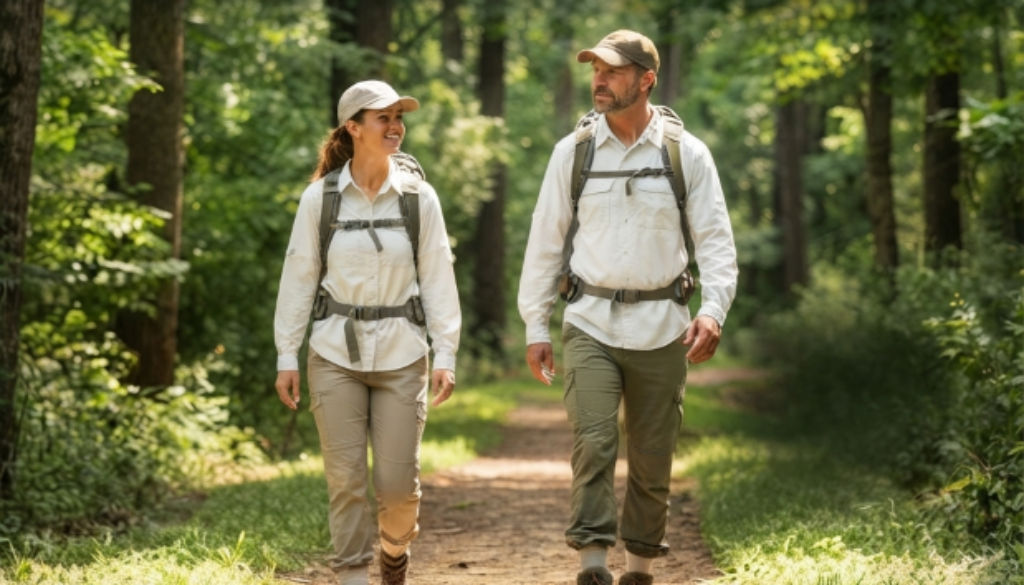
Before you go: Wear light-coloured clothing so ticks are easier to spot. Tuck pants into socks and shirts into waistbands. Wear long sleeved-shirts. Apply a Deet-based repellent to exposed skin; for longer hikes or camping. Permethrin-treated clothing and gear provide an additional layer of protection.
On trail: Walk in the centre of paths rather than through brush or tall grass, which is where ticks lurk for hosts.
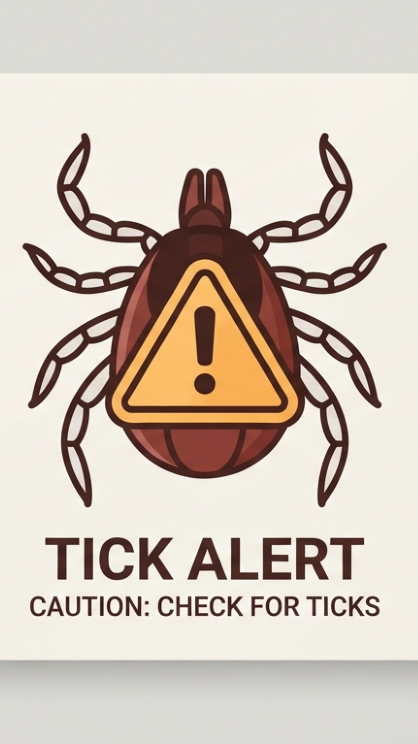
After you’re home: Do a thorough check within a few hours of returning. Ticks favour warm, hidden spots — scalp, behind the ears, under the arms, groin, behind the knees. Shower soon after coming in; it can remove unattached ticks and gives you a natural opportunity to check your body.
If you find one: Remove it with fine-tipped tweezers, grasping as close to the skin as possible and pulling upward with steady, even pressure. Don’t twist or jerk. Clean the bite area with rubbing alcohol or soap and water. Note the date and watch for symptoms — fever, fatigue, headache, muscle aches, or a characteristic bull’s-eye rash — and contact a physician if they appear.
Be aware of the delayed picture: If you develop unexplained allergic reactions to meat or dairy in the weeks or months after a hike, mention tick exposure to your doctor. Alpha-gal syndrome is still widely underdiagnosed generally, and not fully known in Canada, so doctors don’t always look for it.
Despite these hazards, Dr. Moondust maintains that the forest and all the hikes available to us in BC for health, wellness and environmental awareness are still worth every step. Be vigilant! Enjoy. Walk mindfully and check yourself when you get home.
See more posts on the foods, habits and lifestyle choices for glowing health Moondust Cosmetics® website.
Join us on social media
Facebook, Instagram, YouTube.
Drop a line to comment or send in a question (EMAIL) info@moondustcosmetics.com