The Direct Health Benefits the Harvest Bounty Holds for Us
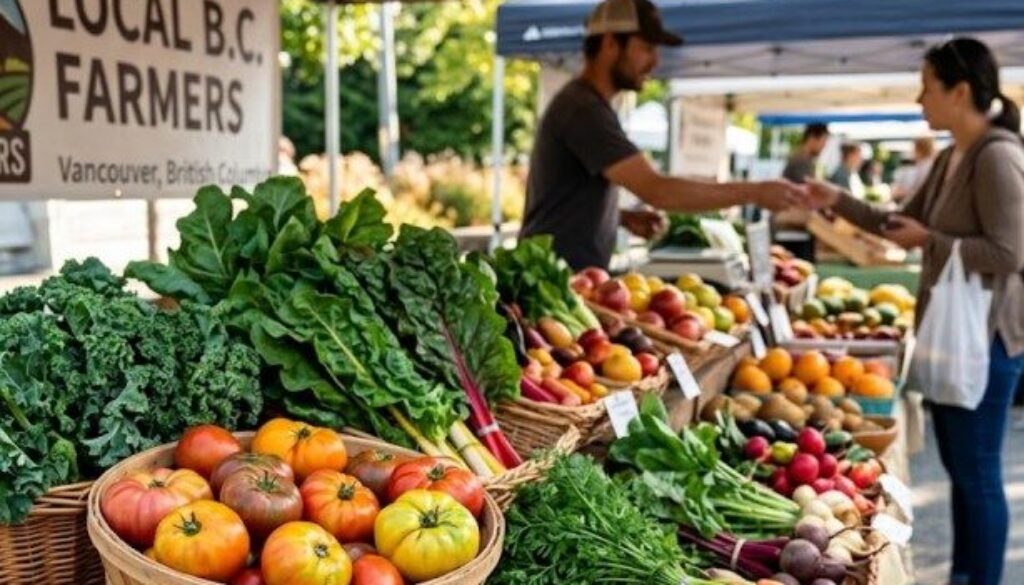
The familiar fall image of a cornucopia full of fruits and veggies is far more than a symbol of the season’s harvests. Its beautiful bounty shows produce spilling out onto our tables, whose colour and variety contribute directly and powerfully to our health. Today’s post explores the delicious details and also reveals the season’s hidden secret and its powers to improve skin and overall health: rosehips.
Fall is the time of the last visits to farm stands to fill up with squash and apples and the final tomato harvest of the season. It’s not a coincidence that so many cultures built a festival around this. Canadian Thanksgiving falls early, in October, with roots in Native traditions, it is timed to a harvest that’s already mostly in. Grain has been cut, the root vegetables lifted, and the orchards picked over. Culturally, it calls on gratitude for food, yes, but if you look at what’s actually on the table, you know just by your senses that you will treat your body to some of the most nutrient-dense eating of the entire year.
Why harvest food is different
Produce picked at peak season and eaten close to that time has run the full course of its growing cycle. It has developed flavour compounds, sugars, and plant chemicals, such as phytonutrients, which give it colour, resilience, and much of its nutritional punch. Our squash, pumpkin, cranberries, apples, pears, root vegetables, and late greens aren’t just seasonal decorations. They do real metabolic work in the body! From the fibre that feeds gut bacteria to the antioxidant compounds that help manage everyday cellular wear and tear, fruits and veggies are powerful elements of our daily diet.
An interesting tidbit about pumpkins – they support collagen production in the skin!
Metabolic magic in colour
Researchers have found a meaningful relationship between how vivid a fruit or vegetable’s colour is and its measurable antioxidant capacity. It’s a tidy bit of design: our attraction to a vibrant harvest table isn’t just aesthetic pleasure; it may be a reliable visual cue pointing us toward the most beneficial food in the room. Eating “the rainbow”, as we have come to hear it, at Thanksgiving, in other words, isn’t simply a wellness slogan. Eating a wide range of the colours that attract us is a reasonably accurate shortcut for nutritional variety.
The source of nutritional goodness. Next time you sit down at a table laden with an orange squash, deep red cranberries, and dark leafy greens, you’ll remember that the colours on your plate aren’t just well-curated edible decoration. Now, you know it is also chemistry. Plants produce pigments to protect themselves from sun damage, pests, and stress. Those same compounds, such as carotenoids in orange and yellow produce, anthocyanins in reds, blues, and purples, and chlorophyll and lutein in greens, are associated with antioxidant and anti-inflammatory activity in the human body.
Eating the rainbow at any time leads you to the health pot of gold said to be found at the end of the rainbow.
The harvest season’s best-kept secret: rosehips
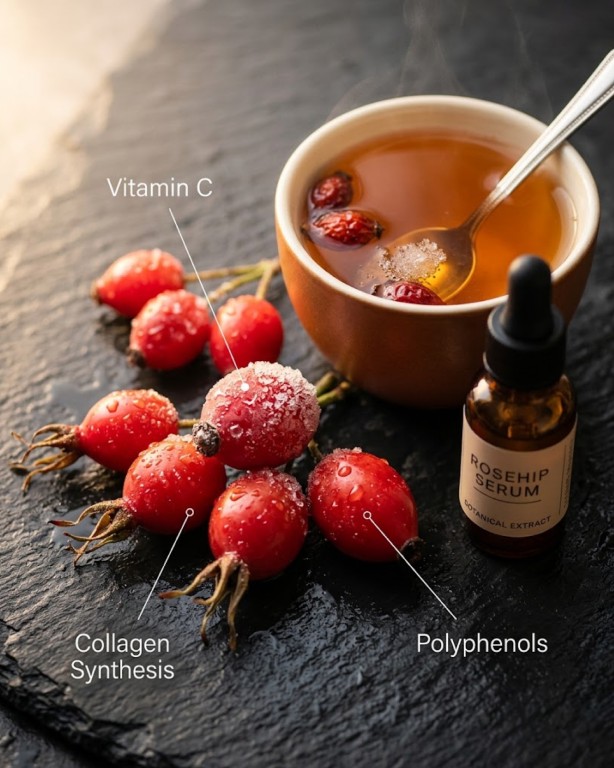
Rosehips are the small, round fruit left behind after a rose petal drop. They ripen through late summer and into autumn and are usually ready to pick after the first light frost sweetens them.
Moondust is giving them the attention they deserve alongside our mention of nutrients and fall harvest, because they are exceptionally rich in vitamin C. By some measures, they are richer than citrus. Vitamin C isn’t just an immune-support nutrient; it’s essential for collagen production, which matters for skin, joints, and connective tissue as we age. Beyond vitamin C, rosehips carry a mix of carotenoids, flavonoids, and other polyphenols that researchers have linked to anti-inflammatory effects.
Several clinical studies on rosehip powder have looked specifically at joint comfort in people with osteoarthritis, with a meta-analysis of randomized trials finding it may help ease pain. Other research has explored rosehip’s role in supporting healthy cholesterol and blood glucose levels, and in skin health, where its vitamin C and antioxidant content support collagen synthesis and help defend skin against everyday oxidative stress.
None of this mean rosehip tea replaces medical care! The research is often described by scientists themselves as promising but still developing, and effects vary between studies. But as a genuine harvest-season food, gathered at exactly this time of year, steeped into a tea or simmered into a syrup, rosehips are a lovely example of the same principle running through the whole Thanksgiving table: what ripens now is often exactly what our bodies could use more of.
An additional benefit is that Rosehip oil is a beauty secret for rejuvenating the skin. It reduces wrinkles and provides anti-ageing support (Due to carotenoids, Vitamin A & C).
Gifts of the season
Harvest season hands us a plate that’s colourful almost by accident of biology, and that accident happens to be good for us. Whether it’s the orange of a roasted squash, the deep red of cranberry sauce, or a small red rosehip still clinging to a bush at the edge of a garden, it makes sense to be grateful at this time of year. The natural world gives us, at this time after seasons of planting, nurturing and harvesting living things, yields its most generous and its most nourishing bounty for our health and wellness.
For more posts on the irreplaceable habits of healthy food, movement, sleep, or sun protection for our health, visit the Moondust Cosmetics® website.
Join us on social media
Facebook, Instagram, YouTube.
Drop a line to comment or send in a question (EMAIL) info@moondustcosmetics.com