Oxidative Stress, Explained: What It Is and How Everyday Choices Shape It
In the wellness world, the phrase “oxidative stress” is attached to everything from serums to smoothies. It is, however, a well-studied biological process, and understanding it informs our daily choices such as our food, how we sleep, and what you put on your skin. Read on to learn Moondust Cosmetics™ clear and practical look at what’s going on in our bodies with oxidative stress and what we can do about it with common sense and less alarm.
What oxidative stress actually is: the science made simple
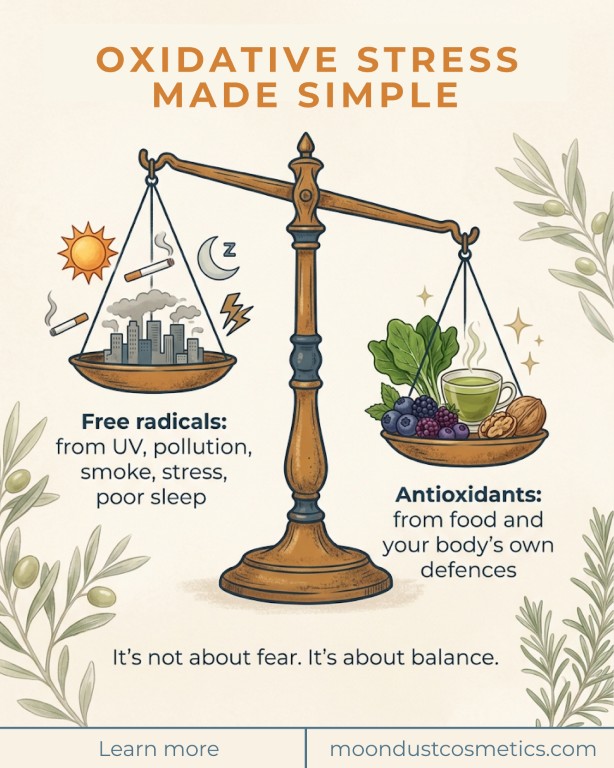
Your cells use oxygen constantly to make energy. A natural by-product of that process is a group of unstable molecules called free radicals, or more broadly, reactive oxygen species (ROS). They’re missing an electron, so they go looking for one, and they take it from whatever is nearby: proteins, lipids, even DNA.
This isn’t all bad. In small amounts, free radicals help your immune system fight pathogens and act as signaling molecules. The trouble starts when production outpaces your body’s ability to neutralize them. Your defenses are antioxidants, some made internally (like glutathione) and many supplied by food. When the balance tips toward free radicals, that’s oxidative stress.
Researchers have linked chronic oxidative stress to accelerated skin ageing, cardiovascular changes, inflammation, and a number of age-related conditions. Keep in mind, oxidative stress is one contributor among many, not a single villain.
Sources of oxidative stress
Some are unavoidable, and some are within your influence:
- Normal metabolism. Simply being alive generates free radicals.
- UV exposure. Sunlight is one of the biggest drivers of oxidative damage in skin, which is why photoaging looks the way it does.
- Air pollution and smoke. Particulates and tobacco smoke are potent oxidant sources.
- Highly processed, high-sugar diets. Frequent blood sugar spikes and heavily refined foods are associated with greater oxidative load.
- Poor or short sleep. Sleep is when the body does a lot of its cellular repair work.
- Chronic psychological stress. Sustained stress hormones feed inflammation, which feeds oxidative stress, and the cycle reinforces itself.
- Certain chemical exposures. Some household and personal-care ingredients, as well as environmental contaminants, can add to the burden.
A note on women’s midlife health and beyond: Estrogen has antioxidant properties of its own. As levels decline through perimenopause and menopause, many women lose some of that built-in protection, which is one reason skin, bone, and cardiovascular health can shift in these years. It is less a reason for worry, than to be more intentional in our lifestyle choices such as supporting your body’s antioxidant capacity through daily habits.
Food: where antioxidants do their best work
As Moondust’s approach has always been evidence-based and leaning to natural options within our reach, encouragement leans towards whole-food patterns, not isolated supplements. Large trials of high-dose single antioxidant pills (like beta-carotene or vitamin E) have mostly failed to show the benefits people expected, and in some cases showed harm. Foods deliver antioxidants in combination, alongside fibre and other compounds that work together.
Plant forward is ideal, but you needn’t stress about perfection, or even giving up foods…Just crowd your plate with more colour and variety:
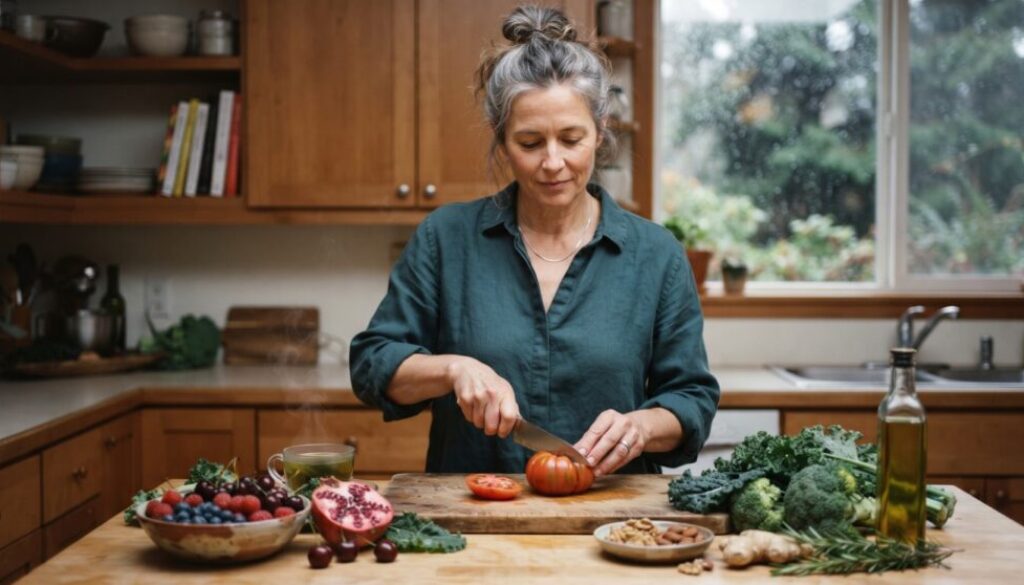
The list of delicious options is long and hearty: Berries, cherries, and pomegranate, rich in anthocyanins and ellagic acid. Leafy greens and cruciferous vegetables (kale, broccoli, Brussels sprouts), which contain compounds that support the body’s own detoxification and antioxidant enzymes. Tomatoes, with lycopene (more available when cooked with a little olive oil).
Extra virgin olive oil, a cornerstone of the Mediterranean pattern (see our next November post), which is consistently associated with better cardiovascular outcomes Nuts and seeds, especially walnuts, almonds, and sunflower seeds, for vitamin E and polyphenols. Green tea, with catechins such as EGCG. Dark chocolate, in moderation, for cocoa flavanols and herbs and spices like turmeric, rosemary, oregano, ginger, and cinnamon, among the most antioxidant-dense foods per gram
The soil connection
Plants produce many of their protective compounds (polyphenols, for example) in response to environmental challenges and healthy interaction with soil microbes. See our post on regenerative and organic farming and how soil health can influence the nutritional and phytochemical quality of crops, though the science is still developing, and results vary by crop and region.
It’s one more reason to favour local, seasonal produce when you can, and to ask where your food comes from. Healthy soil isn’t just an environmental story; it may be part of your nutrition story too.
Lifestyle habits that quietly lower the load
Food is only part of the picture. These habits have solid support:
- Move regularly, without overdoing it. Moderate exercise actually strengthens your body’s antioxidant defenses over time. Extreme, under-recovered training can do the opposite.
- Protect your skin from the sun. Daily SPF, shade, and hats remain the most effective anti-aging strategy there is.
- Prioritize sleep. Consistent timing and a dark, cool room matter as much as total hours.
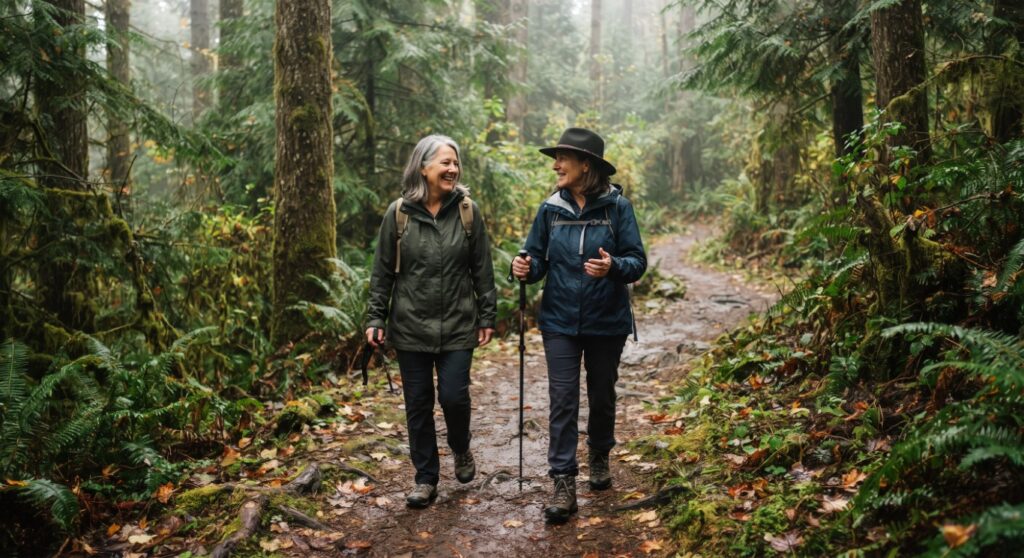
- Build in stress relief. Walks, time in nature, breathwork, creative time, and real social connection all help dial down the stress response.
- Limit alcohol and avoid smoking. Both are significant oxidative stressors.
- Spend time outdoors. Nature exposure is consistently associated with lower stress markers.
Skincare and the products you choose
Moondust Cosmetics has always held that since skin is your largest organ and your first line of defense against UV, pollution, and environmental stressors, it is a natural place to support antioxidant protection from the outside as well as the inside.
Protect your skin from the sun. Daily APF or SPF (depending on whether you’re a sunburner or suntanner), shade, and hats remain the most effective anti-aging strategy there is.
An additional lifestyle prevention for skin damage and overall body health is once again, is to limit alcohol and avoid smoking. Both are significant oxidative stressors (recent research shows that young people who start off Vaping often go on to become smokers)
Some of the antioxidant elements that are both the better-studied skincare ingredients, and found in food are:
Vitamin C (L-ascorbic acid) which helps neutralize free radicals and supports collagen production. It’s most effective in the morning, under sunscreen. Vitamin E(tocopherol) works alongside vitamin C; the pairing is more stable and effective than either alone. Niacinamide supports the skin barrier and calms inflammation.
Green tea extract, resveratrol, and ferulic acid are plant-derived options with research behind them. Plant oils such as rosehip, sea buckthorn, and argan carry natural tocopherols and fatty acids that support the skin barrier.
Oxidative stress isn’t something to fear. It’s a normal part of living that becomes a concern only when the balance tips for too long. The most reliable ways to support that balance is to eat a wide range of plants, sleep well, move your body, manage stress, protect your skin, and choose products thoughtfully. Small, consistent choices add up in a way no single “miracle” ingredient can.
In daily life we are exposed to non-ionizing radiation. Examples are: visible light, radio waves, Wi-Fi, phones, microwaves. Ionizing radiation such as: X-rays, gamma rays, radon decay products, nuclear fallout, carries enough energy to ionize molecules and damage tissue.
Please note that everyday sources such as dental X-rays, flights, background radiation and medical imaging, involve relatively low radiation doses. However, certain nuclear weapons and nuclear accidents release heavy metals and other elements that can cause much more severe oxidative stress in the body contributing to cancer, radiation sickness, acute radiation syndrome (ARS), and even death.
What radiation sickness is
The formal name is acute radiation syndrome (ARS) and requires a high dose to much or all of the body, over a short time. However, certain nuclear weapons and nuclear accidents release heavy metals and other elements that can also cause much more severe oxidative stress in the body, resulting in cancer.
Everyday counters to sickness, antioxidants and healthy lifestyle, factor strongly supporting human protection. The more complex factors and compounds are part of pharmaceutical research, not dietary advice. The prevention of global practices and conditions that lead to acute radiation syndrome in people is the primary goal. For everyday health and awareness, Dr. Moondust suggests these practical ideas:
What you can do: the everyday-risk toolkit
- Radon: The second leading cause of lung cancer after smoking and the one everyday radiation source worth acting on. Test your home (inexpensive kits are available) and see Health Canada guidance.
- UV: Sunscreen, shade, hats, and protective clothing, tying back to your skincare theme.
- Medical imaging: Ask whether a scan is needed, keep a record of past scans, and don’t avoid necessary imaging out of fear.
- Emergency preparedness: Know where official guidance would come from (public health authorities, not social media), and the basics of “get inside, stay inside, stay tuned.”
- Everyday defenses: The plant-forward, Mediterranean-style eating and sleep habits from your earlier posts still support the body’s baseline antioxidant capacity and overall resilience, without promising protection against high-dose exposure.
Always keep in mind balance when it comes to your health and wellness. Be informed, calm, and seek evidence first. Focus your efforts on the risks that are real and manageable (radon, UV, smoking) rather than fear of the rare. Consult a healthcare provider for personal concerns.
For more posts on everyday living things, you can do to enrich your life and protect your health, check out the blogs, videos, reports or books at the Moondust Cosmetics® website.
Join us on social media
Facebook, Instagram, YouTube.
Drop a line to comment or send in a question (EMAIL) info@moondustcosmetics.com