
7 Rules for Safe and Healthy Summer Hiking
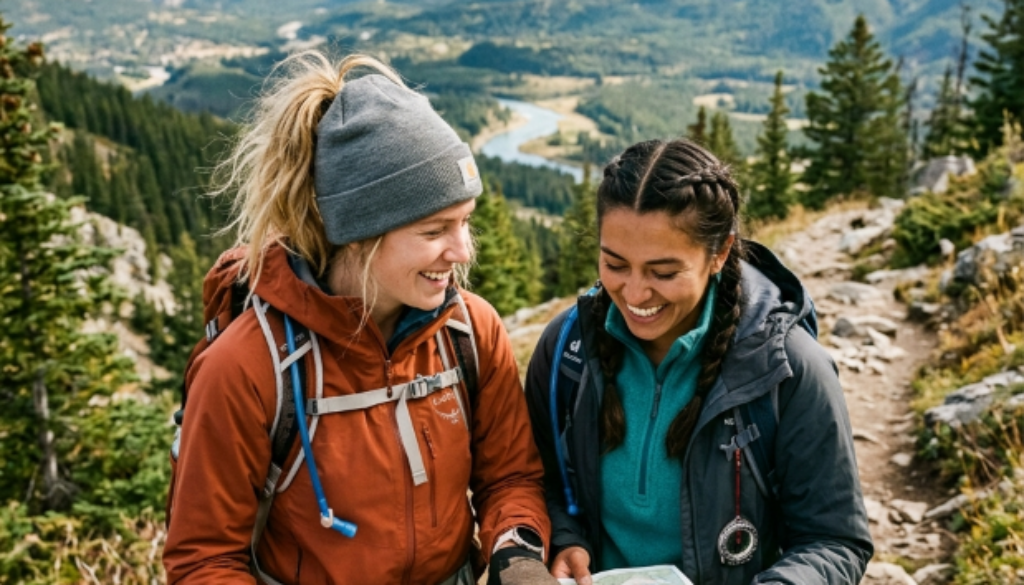
A note on the inspiration behind this column besides the season! Mountain tops are home to some of the cleanest air you will ever breathe. That’s not just the stuff of movie vistas. Fresh air is rich in oxygen, which your body depends on for energy production and the proper functioning of every organ and system you have. Hiking is one of the best ways to fill your lungs with it regularly, and the views aren’t bad either.
But the recent tragedy of a young Austrian woman who died of hypothermia while mountain climbing — in summer — is a stark reminder that the mountains demand respect. Most outdoor tragedies are preventable. These seven rules are a good place to start.
Dr. Moondust’s seven protocols for safe and healthy hiking
1. Always check the weather before you leave
Conditions in the mountains change fast — a calm morning at the start of your hike can turn violent by early afternoon. Check the forecast the night before and again on the morning of your hike. If there’s any chance of a storm or a sharp temperature drop at elevation, consider postponing. The trail will still be there next weekend!
2. Never hike alone — and actively look out for each other
Always bring a partner for fun and safety. If one person is injured, the other can go for help. Best practice is to keep checking in on each other throughout the hike. Ask how they’re feeling, watch their pace, and notice if they seem exhausted or cold. Having a partner is only half of it; being a good one is the other half.
3. Leave your plan with someone
Before you set off, tell someone who isn’t joining you exactly where you’re going and when you plan to return. If you don’t check in on time, they can alert emergency services, and this gives rescuers a crucial head start, if necessary.
4. Wear proper boots & stay on marked trails
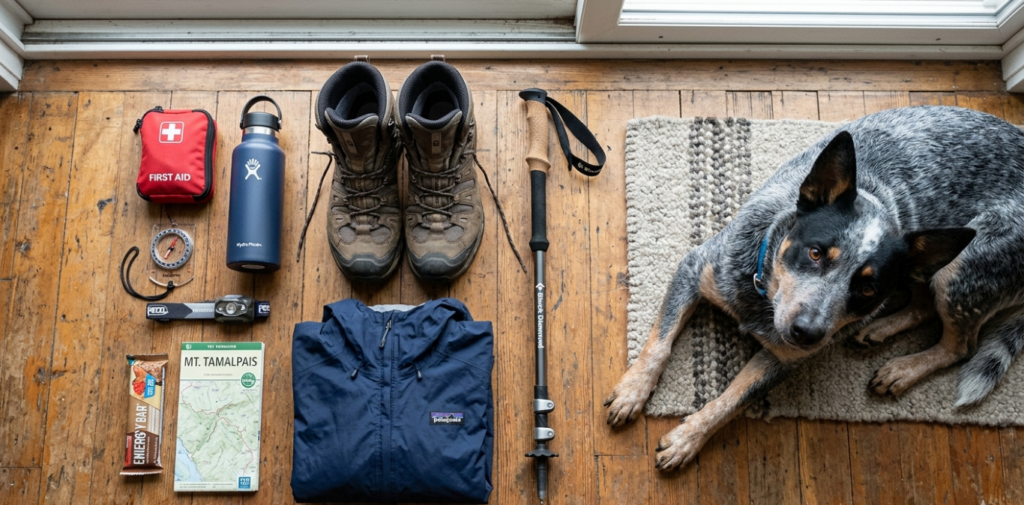
Proper gear such as hiking boots with ankle support are non-negotiable on rocky or mountainous terrain. Stay on the marked trail, no matter how tempting a shortcut looks. Unmarked paths are unmarked for a reason.
5. Carry a hiking pole with a metal spike
A metal-tipped pole grips rock and earth alike. It steadies you on slippery slopes and reduces knee strain on long descents. It can be the difference between a stumble and a serious fall.
6. Pack food, water and take along warm layers
Always carry enough food and water for unexpected delays. If you get lost, you may need to sit tight and wait for a search party. If you’re heading to a snow-covered summit, also pack a woolen shawl or insulating layer. Hypothermia doesn’t only strike in winter; wind, exhaustion, and a sudden temperature drop at altitude is all it takes, any time of year.
7. Start early and plan to be home well before dark
Even the most experienced hikers can lose their way in the dark. Trails that are obvious by daylight become disorienting after sunset. Set off early so you have plenty of time to reach your destination and return with daylight to spare. If you find yourself running late, turn back. The mountain will still be there the next time, and no summit is worth a night on an exposed ridge.
Most importantly, don’t forget to wear sunscreen! Take the Dr. Moondust sunscreen challenge to help you decide which type of sunscreen is best for your skin needs.
These rules are not simply directives posted as bureaucratic rules written by people who’ve never set foot on a trail. They come from people who have experienced trails near and far and at high elevations. They’ve seen what happens when hikers skip even one of them. Summer hiking is one of life’s great pleasures, with the fresh mountain air alone being worth lacing up your boots and getting outside.
Prepare properly, look out for each other, and the trails, and the mountains will give back far more than they take.
See more posts to stay safe in the summer sun and enjoy every step of life with vigor on our Moondust Cosmetics® website.
Join us on social media
Facebook, Instagram, YouTube.
Drop a line to comment or send in a question (EMAIL) info@moondustcosmetics.com