Boron: The Quiet Mineral You’ve Probably Never Thought About
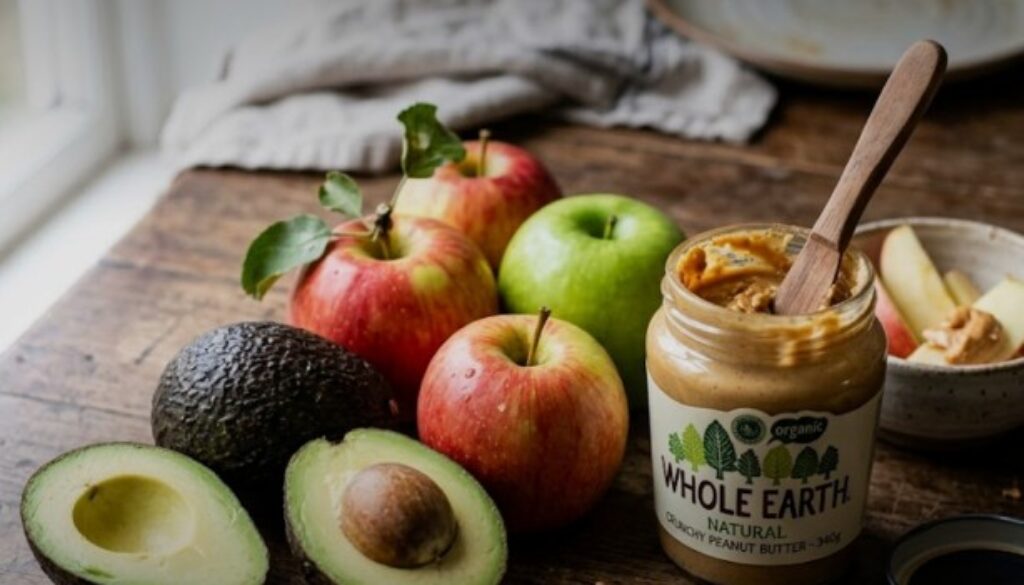
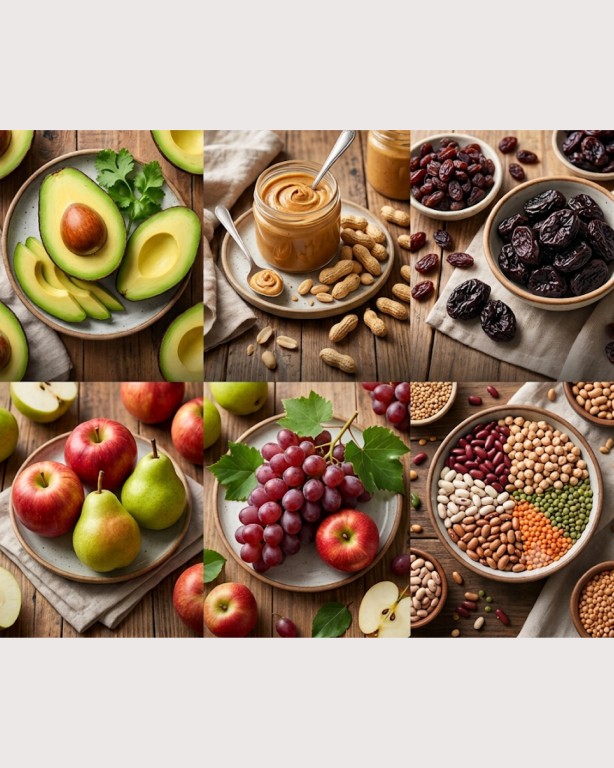
Boron might not make the list of supplements you know about or take as part of your daily routine. There’s no aisle of the pharmacy devoted to it, and the labels on supplement bottles don’t have a recommended daily value (RDA). Today’s Moondust post shows how it is present in your kitchen in the form of apples, avocados, prunes and peanut butter, and tells us why boron deserves a closer look for your health and the health of those under your care. Read on to learn about boron’s quiet magic.
What boron actually does
Boron isn’t officially classified as an essential nutrient because, unlike Vitamin C or iron, researchers can’t pinpoint a singular job it does in the body. That doesn’t mean it doesn’t do anything. At this time, boron has the role of coordinator. It supports how your body handles calcium, magnesium, and vitamin D, and it may play a role in bone formation, inflammation regulation, cognitive function, and the metabolism of estrogen and testosterone.
Four areas have the most research behind them:
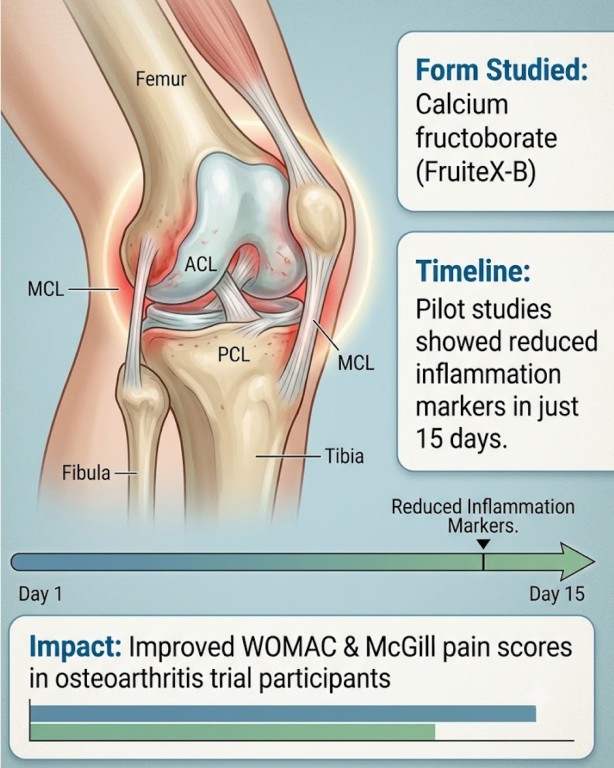
Joint comfort: This is boron’s best-documented role. The clearest evidence comes from a form called calcium fructoborate (marketed as FruiteX-B), tested in a pilot study of people with knee osteoarthritis, where 15 days of supplementation improved inflammation markers compared to placebo. A follow-up double-blind trial found that the same supplement improved WOMAC and McGill pain scores—standard tools researchers use to measure osteoarthritis pain and function—over a similar short window. Keeping in mind that these were small, short pilot studies, researchers themselves are cautious about making bigger claims before larger trials confirm the pattern, but it’s seen as real enough to take seriously.
Bone health: Boron seems to have a role in how your body handles the minerals bones are built from. To date, animal studies show that boron deficiency leads to weaker bones and abnormal growth plate development. In humans, low-boron diets have been linked to shifts in calcium, magnesium, and vitamin D markers. What’s less clear is whether taking a boron supplement actually changes bone density in a way you could measure. One study in female athletes found boron supplementation improved certain blood markers associated with bone health without a measurable change in bone density itself. There isn’t enough definitive proof yet, but as with joint support, the direction of the evidence is promising.
Hormone metabolism and menopause: Research suggests boron intake nudges estrogen and testosterone metabolism, which is why it shows up so often in conversations about menopause specifically. The thinking is that because estrogen plays its own role in protecting bone density, and boron appears to support both estrogen metabolism and bone mineral handling, the two threads may be connected for women navigating the bone-density changes that come with perimenopause and menopause. It’s an intuitive connection, and one that researchers are actively interested in—but it’s still early, and it’s too soon to treat boron as a targeted menopause intervention.
Cognitive function: A smaller but longstanding line of research has looked at boron and brain function. An early NIH-funded study found that when adults were placed on a low-boron diet, they performed worse on tasks involving attention and short-term memory than when the same group’s diet was supplemented with boron. It’s one study, decades old at this point, and hasn’t been widely repeated. But it is a part of why boron is sometimes mentioned in longevity and brain-health circles, even though the evidence here is thinner than for joints or bone.
Observational research also suggests that people with higher boron intake have somewhat lower rates of certain cancers (prostate, lung, cervical). Because this comes from population studies, not clinical trials, and specifically, no trial has tested boron for cancer prevention, it also sits in the “nutrient to watch” category rather than anything to act on directly.
Where you’re already getting boron
Boron shows up naturally in your pantry:
- Avocados
- Beans and legumes
- Prunes and prune juice
- Raisins and dried fruit
- Peaches, pears, apples, grapes
- Peanuts and peanut butter
- Coffee and wine, in smaller amounts
Just normal daily eating can yield about 1 to 1.5 mg a day for the average adult. Plant-based eaters can consume boron at the higher end of that range, easily. As noted, there’s no official recommended intake, but the World Health Organization (WHO) considers 1–13 mg a day a reasonable safe range for adults, and the U.S. has set upper limits around 20 mg a day for most adults. This sits well above what anyone gets from food or a typical supplement.
Should you supplement?
If you’re eating a reasonably varied diet with some fruit, legumes, or nuts in the mix, you’re likely already getting a meaningful amount of boron without supplementing. Supplements do exist. Typically, they’re in the range of 0.15 to 6 mg, and the research on joint comfort in particular used doses in that range over a period of weeks. Always best to talk to your doctor before adding a new supplement, and as the caution usually includes, “if you’re pregnant, nursing, or managing a hormone-sensitive condition,” since boron can interact with estrogen and testosterone metabolism. Early days research.
Dr. Moondust’s caution note: Toxicity from food-level boron isn’t really a concern. There’s a higher risk when you’re talking about borax (sodium borate/sodium tetraborate) from household products, which are roach and ant baits, some laundry boosters, and certain cleaning powders.
That’s an entirely different exposure than eating an apple or taking a supplement at label doses, but it’s worth knowing about if there are curious kids or pets in the house. Accidental ingestion of household-grade boron products is a real, though uncommon, event and is cause to make a call to poison control.
Team Moondust would like you to know that boron is a low-profile mineral, and it’s not the thing that transforms your health overnight. It is a good example of how the minerals we don’t talk about are still at work quietly for your wellness. You may experience it as subtle support in your joints, your bones, your hormone balance, and even in your focus, well before anyone puts a supplement bottle in your hand.
Imagine that you can fulfil your need for boron just by packing a varied lunch, scheduling the checkups and reading labels. And, it’s worth knowing that some of your kitchen pantry’s least glamorous foods (a handful of raisins, a spoonful of peanut butter, half an avocado) are already doing more than you’d think for you and for everyone you’re keeping an eye on.
This post is intended for general education and isn’t a substitute for advice from your doctor or pharmacist, particularly if you’re considering a new supplement.
Find more tips in posts or videos to stay safe in the summer sun and enjoy every step of life with vigor on our Moondust Cosmetics® website.
Join us on social media
Facebook, Instagram, YouTube.
Drop a line to comment or send in a question (EMAIL) info@moondustcosmetics.com